
Chalfonts PCN
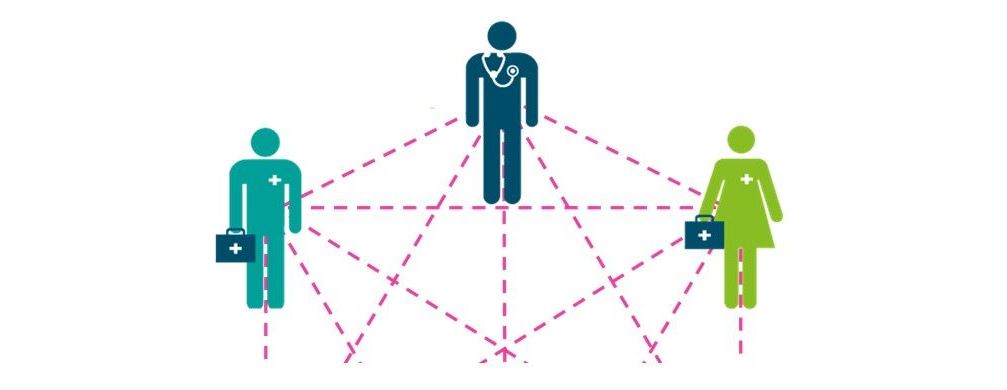
The Chalfonts Primary Care Network (PCN) is made up of the three GP practices based in Chalfont St. Peter.
These are:
- The Allan Practice
- The Hall Practice
- The Misbourne Surgery
Our Clinical Director is Dr Ran Hettiaratchi.
For more information on PCNs please see the animation and information below.
Primary Care Networks Animation – click here to view
What is a Primary Care Network?
Primary Care Networks (PCNs) were initially established on 1st July 2019, across England. PCNs consists of groups of GP practices that are in a local proximity. The aims of PCNs are to collaborate with other primary, community care staff and healthcare organisations, to deliver integrated services to their local communities and patients.
What benefits do Primary Care Networks have for patients?
- Greater range of services:Patients have access to more diverse care services closer to home, with improved accessibility.
- Integrated care: PCNs collaborate with a wider array of health and community services.
- Support for complex conditions: Patients receive comprehensive support for complex health issues, and have access to the necessary health and care services.
- Patient involvement: Patients have a greater role in decision-making regarding their own health and the care they receive. GP practices will work closely with patient participation groups and the local community to maintain the benefits of Primary Care Networks. It’s essential to listen to patients, as general practices exist to support their health and care needs.
Additional Roles in PCNs
In the Chalfonts Primary Care Network, there is a wide range of roles to support the residents and patients with specialised skills directly into practices along with general clinical knowledge. These can add capacity to practice GP and nursing teams.
Clinical pharmacists
Clinical pharmacists work in primary care as part of a multidisciplinary team in a patient facing role to clinically assess and treat patients using expert knowledge of medicines for specific disease areas. They work with and alongside the general practice team, taking responsibility for patients with chronic diseases and undertaking clinical medication reviews to proactively manage people with complex polypharmacy, especially for the elderly, people in care homes and those with multiple comorbidities.
PCN Paramedic
A paramedic in a Primary Care Network can provide a rapid response to deteriorating patients and patients with long-term conditions, minor injuries, and minor illnesses. They can also support patients who require wound care, have fallen, have musculoskeletal problems, and have urinary tract or respiratory infections. Paramedics can supply a range of medicines through patient group directions. Paramedics can support PCNs in responding to on-the-day demand by offering telephone triage or undertaking home visiting. They can also support PCNs to improve access to care by managing minor ailments and seeing patients in care homes.
Physician Assistants
Physician Assistants (PAs) are healthcare professionals with a generalist medical education, who work alongside doctors, providing medical care as an integral part of the multidisciplinary team. Physician Assistants are dependent practitioners who work under the supervision of a fully trained and experienced doctor. They bring new talent and add to the skill mix within teams, providing a stable, generalist section of the workforce which can help ease the workforce pressures that the NHS currently faces.
Social Prescribing Link Workers
Social prescribing link workers connect people to community-based support, including activities and services that meet practical, social and emotional needs, that affect their health and wellbeing. This includes connecting people to statutory services, for example housing, financial and welfare advice.
Care Coordinators
Care Coordinators play an important role within a PCN to proactively identify and work with people, including the frail/elderly and those with long-term conditions, to provide coordination and navigation of care, and support across health and care services.
Care Coordinators could potentially provide extra time, capacity and expertise to support patients in preparing for or in following-up clinical conversations they have with primary care professionals. They will work closely with the GPs, and other primary care professionals within the PCN, to identify and manage a caseload of identified patients, making sure that appropriate support is made available to them and their carers, and ensuring that their changing needs are addressed
Physiotherapy in Chalfonts Primary Care Network
Musculoskeletal (MSK) health issues are the most common cause of repeat GP appointments and account for around 1 in 5 of all GP appointments. Most of them can be dealt with effectively by a physiotherapist without any need to see the GP.
What is a musculoskeletal first contact physiotherapist?
- First Contact Physiotherapists (FCPs) are advanced practitioners working within primary care with extensive expertise in the clinical assessment, diagnosis and management of musculoskeletal (MSK) conditions.
- FCPs see patients with (suspected or diagnosed) MSK conditions as the first point of contact, instead of a GP, and can be accessed directly by contacting the practice’s reception.
What do FCPs do during appointments?
- A typical FCP appointment involves assessment, diagnosis and first-line treatment. FCPs can also refer patients for a course of physiotherapy treatment, using the same pathways as GPs.
- As a person-centred service, most appointments include self-management advice, social prescribing, and discussions about physical activity and fitness for work.
How long are FCP appointments?
- FCP appointments are longer than typical GP appointments and 20 minute appointments allow for safe and effective consultation.
How can appointments be booked?
- As FCPs work with the practice, appointments can be made via your practice
